Outdoor Heater Manual Basics Every First-Time Owner Should Know
Your Essential Guide to Understanding Patio Heater Manuals for Installation
When it comes to enjoying your outdoor space, a patio heater can be a game changer. However, many homeowners and small business operators often overlook the importance of thoroughly understanding the patio heater manual before diving into installation. Whether you're preparing for a cozy gathering or simply want to extend your outdoor enjoyment into the cooler months, knowing how to interpret the manual can save you time, effort, and money. This guide will walk you through the essential aspects of patio heater manuals, ensuring that you feel confident and informed as you prepare for your installation.
As a homeowner or small business owner, you may find yourself faced with various choices concerning your patio heater. From the type of fuel it uses to its size and safety features, every detail is crucial for optimal performance and safety. Often, the manual provides insights not only into the installation process but also into the operational guidelines, maintenance tips, and troubleshooting advice. Understanding these elements can significantly enhance your outdoor experience, allowing you to maximize the heater’s benefits while minimizing potential risks.
This article aims to demystify the seemingly complex language found in patio heater manuals. We will guide you through the critical sections of the manual, explain technical terms, and highlight what to look for before you begin your installation. By the end of this guide, you will possess the knowledge needed to install your patio heater safely and effectively, ensuring that your outdoor space is both warm and inviting.
Understanding the Different Sections of a Patio Heater Manual
When you first open your patio heater manual, you might be overwhelmed by the volume of information presented. Most manuals will include several key sections that cover everything from safety precautions to assembly instructions. The first section typically outlines safety warnings and recommendations, which are crucial for preventing accidents during and after installation. For instance, it may specify the minimum distance needed between the heater and any flammable materials, an important detail to note before setting up your heater.
Another critical section is the assembly instructions, where you'll find step-by-step guidance on how to put your heater together. This section will often include diagrams and lists of required tools, ensuring you have everything ready before starting the installation process. Additionally, look for troubleshooting tips, which can provide vital information should you encounter any issues while operating your heater. These insights can save you the hassle of contacting customer support or hiring a professional.
Finally, the manual will usually conclude with maintenance recommendations. Regular upkeep is essential for the longevity and efficiency of your patio heater. This section may advise cleaning the heater after each use or checking for gas leaks periodically. Familiarizing yourself with these sections will equip you with the knowledge to handle your patio heater confidently. patio door repair
Safety Precautions to Keep in Mind
Safety should always be your top priority when installing any heating appliance. The safety section of your patio heater manual typically includes essential guidelines designed to protect you and your property. For example, it may specify the need for proper ventilation, especially if you are using a gas heater indoors or in a semi-enclosed space. Following these guidelines is crucial to avoid dangerous accumulations of carbon monoxide.
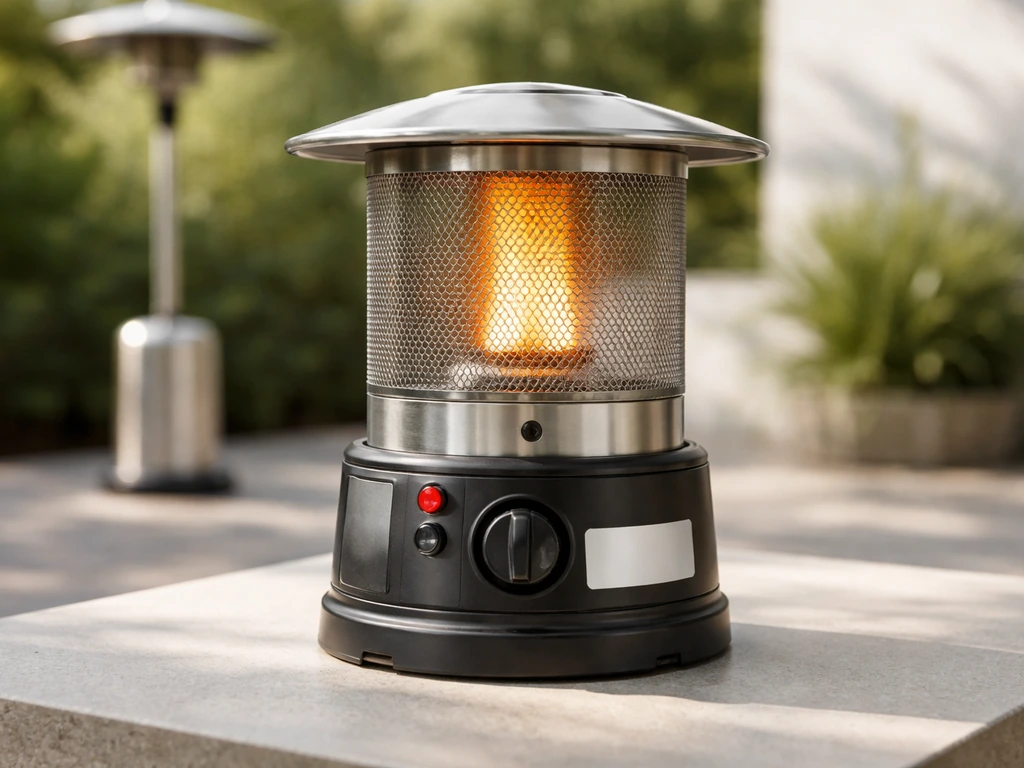
Moreover, pay attention to the recommended operating temperatures and the heater's intended use. Some models are designed for outdoor use only, while others may be suitable for both indoor and outdoor environments. Understanding these limitations can prevent accidents and ensure efficient operation. Always remember to keep children and pets at a safe distance from the heater while it is in use.
Assembly Instructions: Step-by-Step Breakdown
The assembly section of your patio heater manual is your roadmap for putting everything together safely and correctly. This part typically includes detailed diagrams along with written instructions that guide you through each step. Start by gathering all parts and tools listed in the manual. Having everything organized will make the process smoother and more efficient.
As you follow the instructions, take your time to ensure that each piece is correctly fitted. This may include securing screws or connecting gas lines, depending on your heater model. It's essential to double-check your work as you progress to avoid any mistakes that could lead to malfunctions later on. If the manual suggests a specific order for assembly, be sure to adhere to it closely.
Common Issues and Troubleshooting Tips
Despite careful installation, you may still encounter issues when using your patio heater. The troubleshooting section of your manual is invaluable in these situations. It often includes a list of common problems alongside potential solutions. For instance, if your heater fails to ignite, the manual might suggest checking the fuel level or inspecting the ignition mechanism.
Another common issue could be an irregular flame or poor heat output. The manual may guide you to check for gas leaks or suggest cleaning the burner for optimal performance. By consulting this section, you can often resolve minor issues without needing to contact customer support or hire a technician, saving you both time and money. patio heater guide
Fuel Types and Their Implications
Understanding the fuel type your patio heater uses is crucial for both performance and safety. Most patio heaters operate on either propane, natural gas, or electricity. Each fuel type has its advantages and disadvantages, which are often outlined in the manual. For instance, propane heaters are portable and easy to use, making them ideal for outdoor gatherings. However, they require regular tank refills, which could be inconvenient for some users.
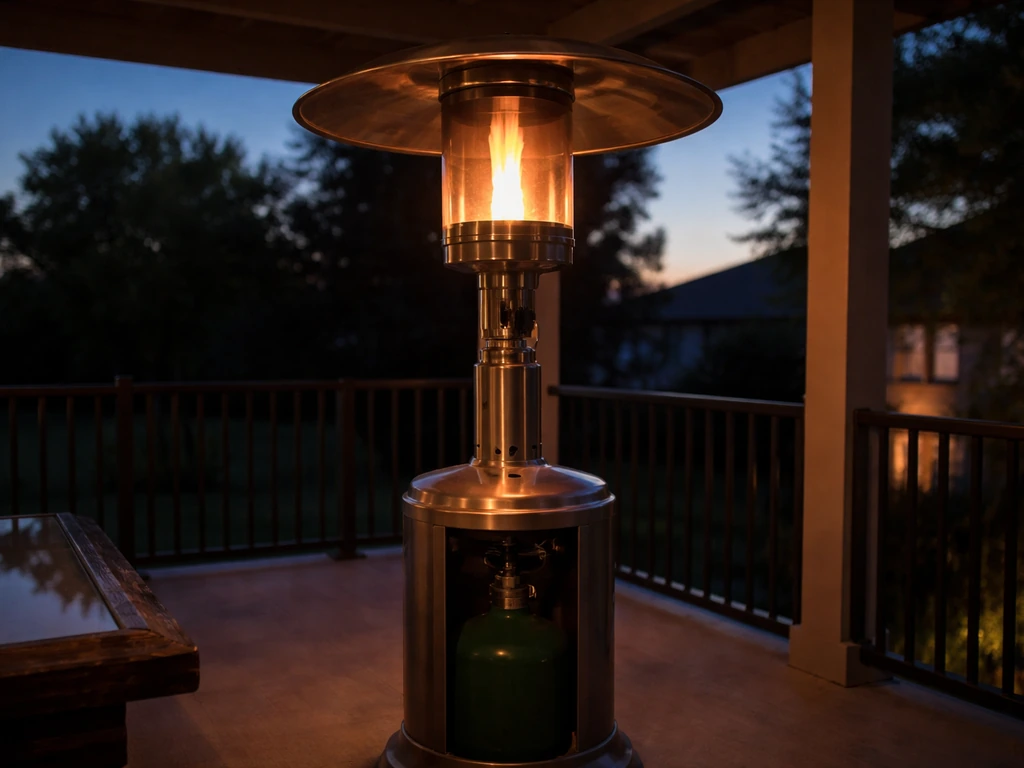
On the other hand, natural gas heaters can provide a constant source of fuel as long as they’re connected to the gas line. However, they generally lack portability and require professional installation. Electric heaters are the easiest to set up, but they may not provide the same level of heat output as gas models. Familiarizing yourself with your heater's fuel type and its respective benefits will help you make informed decisions regarding its use and maintenance.
Benefits and Drawbacks of Various Fuel Types
Each fuel type comes with its own set of benefits and drawbacks that you should weigh carefully. For instance, propane heaters are favored for their portability and ease of use. They allow you to move your heater wherever you need it, making them perfect for outdoor events. However, the need for tank replacements can be a hassle, especially during busy seasons.
Natural gas heaters, while less portable, offer a consistent heat source that can be more cost-effective in the long run. They are ideal for permanent installations, such as in outdoor kitchens or patios. However, the initial installation costs can be higher, and they may require professional help to connect to the gas line. Electric heaters provide convenience and simplicity, especially in areas where gas isn't readily available, but they often have lower heating capacities and can lead to higher electricity bills.
Choosing the Right Size for Your Space
Choosing the right size patio heater is essential to ensure adequate warmth for your outdoor area. Your manual may provide recommendations based on the heater's heating capacity, typically measured in BTUs (British Thermal Units). A higher BTU rating indicates a more powerful heater, which is ideal for larger spaces. However, if you have a smaller area, a lower BTU heater might suffice and will be more energy-efficient.
Additionally, consider the height and layout of your patio. A tall ceiling or open layout may require a more powerful heater to distribute warmth evenly. Always consult your manual for specific guidance on heating capacity to avoid purchasing a heater that is either too weak or unnecessarily powerful for your needs. patio heater reviews
Maintenance Guidelines for Longevity
Regular maintenance is crucial for extending the life of your patio heater. Your manual will likely contain specific instructions on how to care for your heater, which can include cleaning the burner, checking gas lines, and inspecting for rust or damage. Following these guidelines can prevent operational issues and ensure that your heater runs efficiently.
For gas heaters, it is advisable to check for leaks periodically. Most manuals will recommend using soapy water to test the connections; if bubbles form, a leak is present, and you should refrain from using the heater until it is fixed. Additionally, storing your heater properly during off-seasons can protect it from weather damage, ensuring that it's ready for use when the temperatures drop.
Seasonal Checks and Care
Before the start of each season, it's beneficial to perform a thorough inspection of your patio heater. This includes checking all connections, hoses, and components to ensure safety and functionality. Your manual may suggest specific seasonal checks, such as inspecting the ignition system or cleaning the burner to enhance efficiency.
Taking these preemptive measures can save you from potential headaches and ensure that your heater performs optimally when you need it most. Additionally, keeping the heater covered or stored in a dry place during adverse weather conditions can prevent rust and prolong its lifespan.
Table of Common Patio Heater Features
| Feature | Propane Heater | Natural Gas Heater | Electric Heater |
|---|---|---|---|
| Portability | High | Low | Medium |
| Heat Output (BTUs) | 20,000 - 50,000 | 30,000 - 50,000 | 1,500 - 5,000 |
| Installation Complexity | Easy | Moderate | Easy |
| Fuel Efficiency | Moderate | High | Low |
| Safety Risks | Medium | Low | Very Low |
This table showcases the features and characteristics of various patio heater types, helping you make informed choices before installation. By comparing these features, you can determine which heater best suits your needs and preferences.
Pros and Cons
- Pros:
- Versatile Heating Options: Various fuel types allow you to choose based on your needs and preferences, such as propane for portability or natural gas for a consistent supply.
- Increased Outdoor Comfort: A patio heater can extend the usability of your outdoor space, allowing for enjoyable gatherings even in cooler weather.
- Easy Installation: Many patio heaters come with straightforward manuals that simplify the installation process for beginners.
- Energy Efficiency: Properly maintained heaters can operate efficiently, providing warmth without excessive fuel consumption.
- Cons:
- Initial Costs: The purchase of a quality patio heater can represent a significant investment, especially for larger models.
- Safety Concerns: If not installed or maintained properly, patio heaters pose safety risks such as fire hazards or gas leaks.
- Seasonal Use: Many patio heaters are primarily used only in colder months, which can limit their overall usability throughout the year.
When weighing the pros and cons of patio heaters, it's essential to consider your specific needs and circumstances. While they provide excellent benefits for outdoor comfort, it's crucial to remain aware of the potential downsides and take necessary precautions to ensure a safe and enjoyable experience.
Frequently Asked Questions
- What is the best fuel type for a patio heater?
The best fuel type depends on your specific needs. Propane heaters are great for portability, while natural gas heaters offer convenience with a steady fuel supply. Electric heaters are easy to set up but may not provide as much heat output.

- How far should a patio heater be from flammable materials?
Most manuals recommend keeping patio heaters at least three feet away from flammable materials. This distance helps to minimize fire risks and ensures safer operation.
- Can I use my patio heater indoors?
It depends on the type of heater. Most patio heaters are designed for outdoor use only due to venting needs. Always refer to the manual to understand the specific limitations of your model.
- How often should I perform maintenance on my patio heater?
Regular maintenance is crucial, with recommendations for checks before each season. Cleaning and inspections should be performed at least once a year or more frequently if the heater is used regularly.
- Can I leave my patio heater outside during winter?
It's generally advisable to store patio heaters indoors during winter to prevent rust and damage. If outdoor storage is necessary, use a weatherproof cover to protect it from the elements.
Conclusion
Understanding how to read and utilize your patio heater manual is essential for ensuring a safe and efficient installation. By familiarizing yourself with the various sections, from safety precautions to maintenance guidelines, you can confidently navigate the installation process. Remember that choosing the right fuel type and understanding its implications will further enhance your outdoor experience. With the proper knowledge and preparation, your patio heater will not only keep you warm but also allow you to enjoy your outdoor space to the fullest. Take the time to read your manual thoroughly, and you'll be well on your way to creating a cozy outdoor retreat.
Comments
Post a Comment